Scene solution / For a new project

Lantern Displays for Parks & Zoos

Build a connected night-time experience around your paths, open spaces and natural setting.

A connected route, from arrival to the final display.

A starting layoutExplore the planning areas
Illustrative Parks & lantern festivals planning diagram: Arrival & welcome, Visitor route, Feature lantern groups. Not to scale.LandscapeExisting water123Illustrative layout · not to scale

An arrival moment

A welcoming lantern group sets the theme and establishes the start of the route.

Include this area in my brief

Illustrative planning diagram. Final layout, dimensions, structure and power require project-specific review.

Plan the experience
in connected parts.

These are planning considerations for your new brief.

Planning area 1

An arrival moment

A welcoming lantern group sets the theme and establishes the start of the route.

Discuss the available space, visibility and assembly conditions for this part of the layout.

Planning area 2

A story along the path

Connect character groups and landscape accents with the existing visitor route.

Discuss the available space, visibility and assembly conditions for this part of the layout.

Planning area 3

A place to pause

Give a focal installation room to be seen, photographed and maintained.

Discuss the available space, visibility and assembly conditions for this part of the layout.

Your site information

What will shape
the plan?

  • Paths and visitor circulation
  • Trees, ground conditions and available power
  • Opening hours, assembly access and seasonal use

Scale, quantity, making, packing, transport and site responsibilities affect the project scope and quotation.

Bring these to the first conversation.

  • Route plan & display spaces
  • Visitor circulation & power locations
  • Theme references & opening date

Route plan, site photographs, approximate display spaces, power locations and planned opening date.

Open the project checklistBuild my venue brief
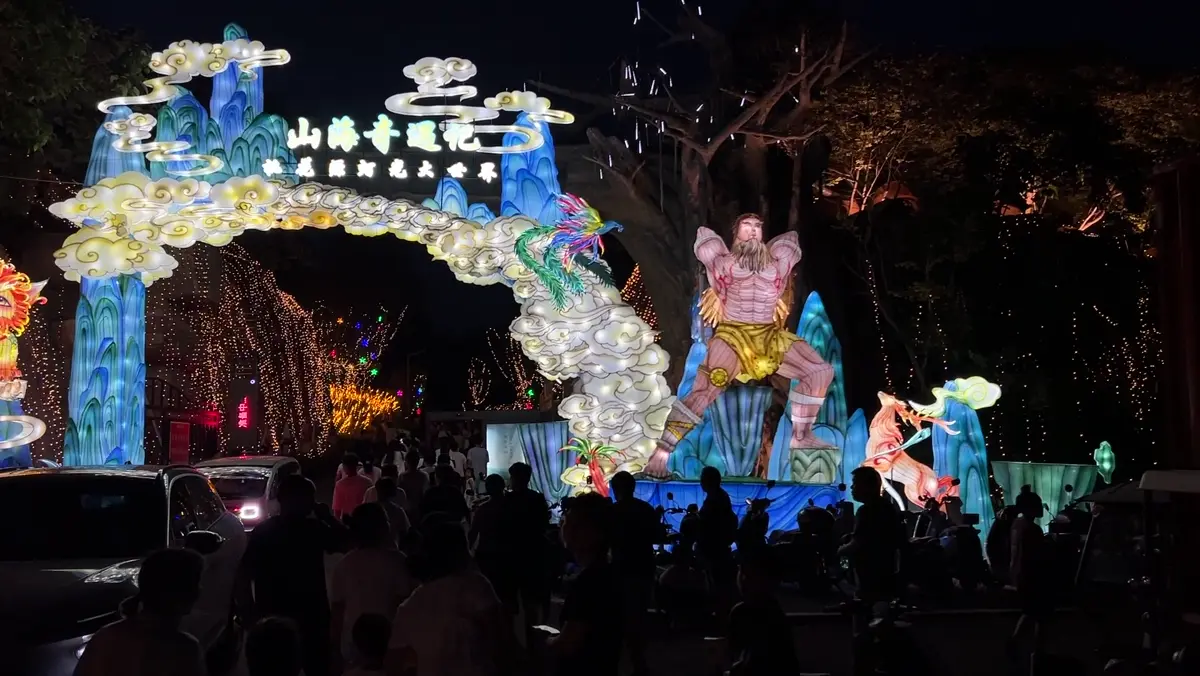
Jingquan visual reference for a planning conversation
Jingquan visual reference. It illustrates a direction, not a completed layout for your proposed venue.
Visual direction

A reference for
the atmosphere.

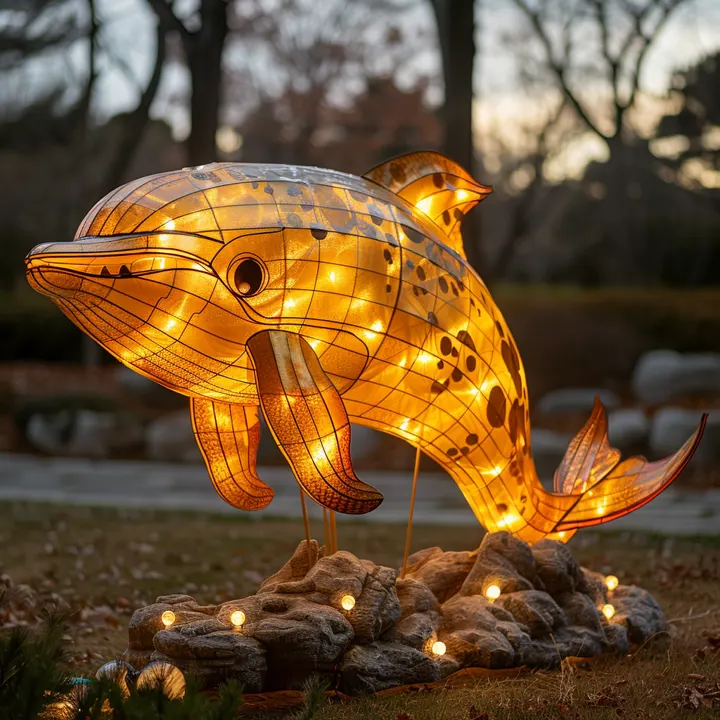
Use a visual reference to explain the forms, theme and feeling you have in mind. The layout, dimensions, specification and making scope still need to be developed for your place.

Explore a concept direction
Recommended for planning

Forms to consider
for the scene.

Suggested starting points, rather than a list of products already installed at your site.

Explore the product collection

Before the plan
becomes a project.

What do I need to start?

Your project country and a short brief are enough to begin. Site photographs, a simple plan, dimensions, theme references and your planned date make the conversation more useful.

What affects the quotation?

The agreed design, dimensions, quantity, materials, packing, transport and site responsibilities affect the scope. A product image is a starting point, rather than a complete specification.

How is the schedule agreed?

Share your target date. Design approval, quantity, production, transport and site arrangements need to be reviewed before a schedule is agreed.

Who handles installation?

Confirm drawings, site preparation, assembly, electrical work and handover responsibilities in the project scope. Site support and on-site installation are different services and must be agreed.

Let’s plan for
your place.

A connected route, from arrival to the final display.

Discuss your project

Choose a theme that fits the route

Animal, botanical and story-led concepts can be arranged as individual focal points or a sequence of scenes. Share the locations you want to activate and the spaces that must remain unobstructed. A route overview helps identify where a large display is appropriate and where a smaller grouping may fit better.

For a zoo, the venue's animal-care team should review proposed locations, operating hours and effects near animal areas. Keep these requirements in the brief; suitability cannot be established from a visual concept alone.

Confirm site conditions before fixing dimensions

Mark the available footprint, height constraints, access gates and any nearby trees, buildings or services. Explain whether the installation is on paving, soil, a platform or another surface. Fixing and ballast requirements need a site-specific review by the responsible qualified parties.

Consider the full delivery route as well as the finished display position. Record vehicle access, unloading arrangements, storage space and the equipment available for assembly. Discuss component sizes before packing is agreed.

Distinguish the visual design from the technical specification

A fabric-covered lantern and an open-frame LED motif may depict the same animal but require different materials, packing and maintenance. Specify which construction approach is being considered. Review the actual model's dimensions, lighting configuration and assembly method rather than treating one product's specification as a promise for the entire project.

Agree responsibilities in the quotation

Ask the proposal to distinguish design work, fabrication, packing, transport and any agreed installation support. Record who provides local electrical work, approvals, lifting equipment and on-site labour. Confirm what documentation is included and which project requirements remain subject to technical review.

Prepare an installation and opening sequence

Work backwards from the opening date through delivery, unloading, assembly and checks. Production and freight estimates should be confirmed against the approved specification and destination. Do not treat a general website estimate as a guaranteed project deadline.

Evidence to review

Request relevant production photographs, sample details and available technical documentation. Distinguish factory trial assembly from a completed venue installation. Where a reference is a concept image, use it to discuss appearance and request confirmation of the proposed construction.

Start your park or zoo display brief

Send your location, site layout, proposed opening date, theme and display positions. Include local requirements and the installation responsibilities already assigned to your team.

Discuss your project

Close enquiry dialog

Product Enquiry

WhatsApp